

Most property claims start with an estimate written after a single inspection, often before anything has been opened up. Then the roofer tears off the shingles and finds soft decking, or the water mitigation crew pulls baseboards and finds wet framing two rooms away. Insurance claim supplements in San Antonio are how that new information gets back to the insurer. A supplement asks the carrier to revise the estimate for damage or items that were missed, measured short, or impossible to see the first time. Done well, it is specific, documented, and easy for the insurer to review.
What a Supplement Covers
- Hidden damage discovered during tear-off, demolition, or drying.
- Missed line items that were damaged but left out of the original scope.
- Quantity corrections where measurements, waste, or wall and ceiling areas were understated.
- Code-required items that the permit or inspector requires, to the extent ordinance or law coverage applies.
- Pricing updates where the price list or labor rates did not match local conditions at the time of repair.
Common Supplement Items on San Antonio Claims
| Claim type | Items often added by supplement |
|---|---|
| Composition shingle roof | Decking replacement, drip edge, starter course, ice and water barrier at valleys, ridge vents, pipe jacks, step and counter flashing, steep and high charges |
| Standing-seam metal roof | Trim, closures, underlayment, panel matching issues, specialty labor |
| Exterior | Gutters and downspouts, window screens, fence sections, stucco or siding elevations, paint to a natural break |
| Water and freeze losses | Wet framing, subfloor, insulation, cabinetry, additional drying days, contents manipulation |
| Fire and smoke | Smoke cleaning in unaffected-looking areas, HVAC cleaning, odor treatment, electrical inspection |
| General | Permits, debris removal, dumpster, general contractor overhead and profit where appropriate |
Our article on what carriers miss in their hail damage scope goes deeper into roof-specific line items.
Why Supplements Are Common in Bexar County
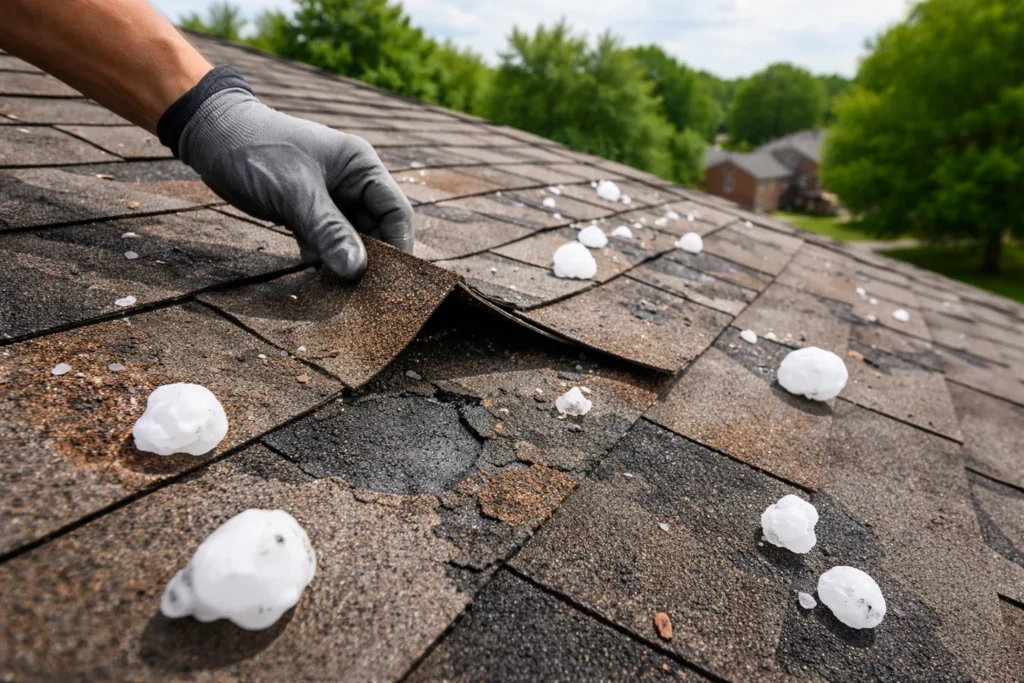
San Antonio roofs have taken repeated hail over the years. NOAA has recorded more than 600 hail reports in Bexar County since 1957, with the busiest months in April and May. Repeated storms, aging decking, and older roofs that have been overlaid can all hide problems that only appear during tear-off. Older homes in historic neighborhoods such as Monte Vista and King William can have plank decking, plaster walls, and other materials that complicate repairs.
Freeze losses are another frequent source. During Winter Storm Uri in February 2021, many San Antonio homes had pipes burst in walls and attics, and the full extent of wet materials often was not known until demolition and drying were underway. Water can travel under slab-on-grade flooring and behind cabinets in ways a first inspection cannot see.
Code requirements also matter. Re-roofing and most structural repairs in the City of San Antonio generally require a permit through the Development Services Department, and inspectors may require items that were not in the original estimate. Whether the policy pays for them depends on ordinance or law coverage. See our local building codes page.
How to Document a Supplement
- Stop and notify. When hidden damage is found, tell the insurer promptly in writing, and ask whether it wants to re-inspect before the area is closed up.
- Photograph before, during, and after. Take wide shots for location and close-ups for detail, with a tape measure where it helps.
- Measure. Record quantities: sheets of decking, linear feet of framing, square feet of drywall.
- Explain the connection. Show how each item relates to the covered loss.
- Itemize. Present the additions in a line-item format the insurer can compare with its estimate, ideally in Xactimate.
- Attach support. Include invoices, permit requirements, manufacturer specifications, or inspector notes.
- Follow up. Track the response and keep copies of everything.
The claim documentation checklist covers the photo and record-keeping basics.
What Makes a Supplement Easy to Review
Insurance adjusters review a lot of supplements, and the ones that move quickly tend to share a few traits. They are organized by room or roof slope rather than as a pile of photos. Each requested item points to a specific photo and measurement. They explain why the item is needed in a sentence or two, for example that decking was found delaminated and soft on the north slope during tear-off, with eight sheets replaced. They separate items that are clearly storm-related from items that are code or permit requirements, because those may fall under different coverage. And they avoid padding: a supplement that includes questionable items invites scrutiny of everything else on the list.
Timing matters too. A supplement sent while the roof is still open, with a chance for the insurer to look, is usually easier to support than one sent months after the work is finished. Keep your contractor's crew informed so they photograph problems before covering them up.
How a San Antonio Public Adjuster Helps With Supplements
As a San Antonio Public Adjuster, we review the insurer's original estimate, inspect the property, coordinate with your contractor to document what is found during repairs, and prepare a supplement in Xactimate with supporting photos and explanations. We then present it to the insurer and follow up until it is addressed. If the original settlement was significantly short across the board, the issue may be broader than a supplement; see underpaid insurance claims and insurance estimate review.
Under Texas Insurance Code Chapter 4102, a public adjuster may not take part in the repair of a property on a claim they adjust, so your contractor remains your choice. We cannot guarantee that a supplement will be approved. Fees are disclosed in a written contract before any work begins; Texas law caps public adjuster compensation at 10% of the insurance settlement.
Supplements vs. Disputes
A supplement is part of the normal claim process: new information, revised estimate. If the insurer reviews a supplement and still disagrees about the amount, insurance appraisal may be an option. If it denies an item as not covered, that is a coverage question, and a Texas attorney can advise on legal options. Public adjusters do not give legal advice.
Get Help With Your Supplement
We work with homeowners and business owners across San Antonio, Bexar County, and nearby communities like Boerne and Schertz. If repairs have uncovered more damage, or you suspect the first estimate missed items, request a Free Claim Review.
Frequently Asked Questions
What is an insurance claim supplement?
A supplement is a request to add to or revise an existing claim estimate. It usually covers damage found after the first inspection, items left out of the original scope, quantity corrections, or pricing updates, supported by photos and documentation.
When should I submit a supplement?
As soon as the additional damage or missed items are identified, and ideally before the area is covered up. Notify the insurer promptly if hidden damage is found during repairs, and ask whether it wants to re-inspect before work continues.
Is there a deadline for supplements?
Policies vary. Some have deadlines for reopening claims or collecting recoverable depreciation, and some Texas policies have specific timeframes. Check your policy and act promptly.
Can my roofer submit the supplement?
Contractors often provide documentation of what they find, which is helpful. However, in Texas, adjusting or negotiating a claim on a policyholder's behalf generally requires a public adjuster license under Texas Insurance Code Chapter 4102 (attorneys aside), so a contractor generally should not negotiate the claim for you.
Will the insurer always pay a supplement?
No. The insurer reviews each item against the policy and the evidence. Good photos, measurements, and clear explanations make review easier, but the outcome depends on the coverage and the facts.
Do supplements apply only to roofs?
No. Supplements are common on roof claims, but they also arise in water, fire, and freeze claims when demolition reveals wet framing, damaged subfloor, hidden smoke contamination, or additional plumbing damage.