
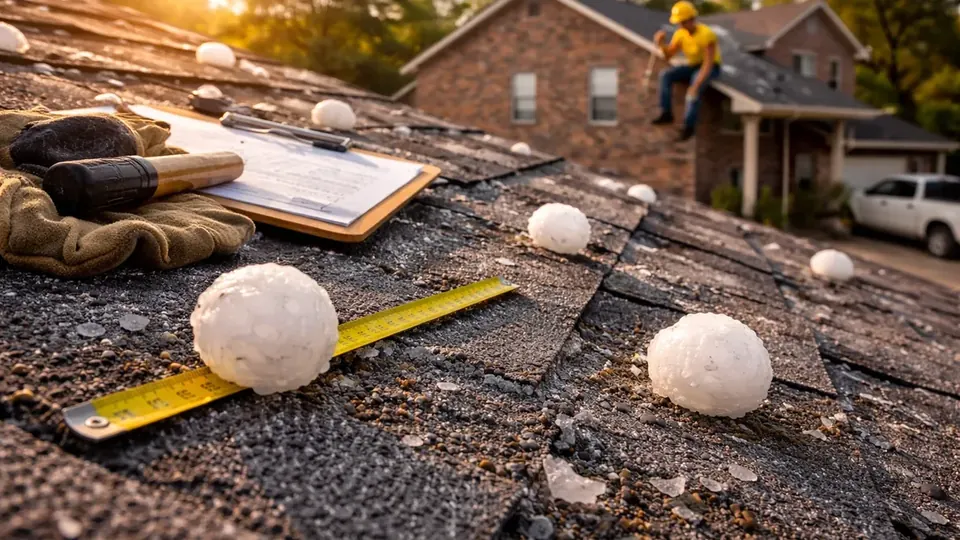
Few things are as frustrating as a denial letter when you can see the damage with your own eyes. If you are dealing with a denied insurance claim in San Antonio, the most useful step is to slow down and work out exactly why the insurer said no. Some denials rest on a real exclusion in the policy. Others rest on an incomplete inspection, missing documentation, or a cause-of-loss opinion that can be tested with better evidence. San Antonio Public Adjuster helps homeowners and business owners across Bexar County review denials and decide on a sensible next step.
Claims That Commonly Get Denied in San Antonio
- Hail and roof claims where the insurer says the damage is cosmetic, pre-existing, or caused by age. See roof damage insurance claims.
- Wind claims where lifted or creased shingles are blamed on installation or deterioration.
- Interior water claims where the insurer finds no storm-created opening or calls the leak long-term seepage.
- Freeze and plumbing claims where the insurer questions whether the home was heated or the water supply was shut off. See freeze damage claims.
- Flood-related losses under homeowners or commercial policies that exclude flood. See flood damage claims.
- Foundation and cracking claims where the insurer attributes movement to expansive clay soils rather than a covered event.
Why Denials Happen After Bexar County Storms
Bexar County's hail season peaks in April and May, and large storms can produce a flood of claims within days. NOAA has logged more than 600 hail reports in the county since 1957, and events like the April 12, 2016 storm across northwest San Antonio produced hail up to 4.5 inches near Tezel Road and Bandera Road. When insurers bring in outside adjusters to handle that volume, inspections can be brief, and some damage, especially on steep roofs, metal accessories, stucco, or limestone, is easy to overlook. Older composition roofs also invite wear-and-tear arguments even when fresh storm damage is present.
Weather adds another wrinkle. San Antonio sits in "Flash Flood Alley," so heavy rain events can blur the line between covered wind-driven rain and excluded flood. None of this means a denial is wrong, but it does mean a careful second look is often worthwhile.

How to Read Your Denial Letter
A denial letter should identify the policy provisions the insurer is relying on. Read it side by side with your full policy, not on its own. Look for:
- The specific exclusion, condition, or definition quoted
- Whether the denial is total or partial (for example, roof approved but interior denied)
- The inspection date and who inspected: a field adjuster, ladder assist, or engineer
- Any reference to a report, photos, or weather data
- Any deadline for providing additional information
If the letter is vague, ask the insurer in writing to identify the exact policy language and facts it relied on. A clear explanation makes it much easier to decide what to do next.
Common Denial Reasons and Evidence That May Help
| Denial reason | What the insurer is saying | Evidence that may be relevant |
|---|---|---|
| Wear and tear / deterioration | Damage came from age, not a sudden event | Roof age, pre-loss photos, close-ups of fresh fractures or bruising |
| Pre-existing damage | Damage happened before the policy period or reported date | NOAA records for the date of loss, prior inspection reports, home purchase inspection |
| Late notice | Delay in reporting hurt the insurer's ability to investigate | When damage was discovered, communication records, reasons for the delay |
| Excluded peril | Cause falls under an exclusion (flood, mold, seepage, settling) | Cause-and-origin evidence, plumber, contractor, or engineer reports |
| No storm-created opening | Rain entered without wind or hail first damaging the building | Roof and wall photos at the leak location, matching interior staining |
| Below deductible | Covered damage is less than the deductible | A full, independent line-item estimate |
Weather records can help tie damage to a specific date. Our storm lookup and San Antonio storm history pages draw on NOAA data for Bexar County.
Options After a Denial
Re-inspection and reconsideration
Many insurers will agree to re-inspect when presented with new evidence. Being present with your own documentation, and pointing out specific damage, can make that inspection more complete.
Reopening a closed claim
Claims that were denied or closed can sometimes be reopened if damage was missed or new information comes to light. Timeframes depend on the policy, so act promptly.
Appraisal vs. coverage disputes
If the insurer agrees some damage is covered but disputes how much, insurance appraisal may be available. If the dispute is whether the loss is covered at all, appraisal typically does not resolve it, and legal advice may be needed.
Filing a complaint
Texas policyholders can file a complaint with the Texas Department of Insurance if they believe an insurer handled a claim improperly. A complaint does not decide coverage, but it does create a record with the regulator.
When to talk to an attorney
Public adjusters are not attorneys and do not give legal advice. Consult a Texas attorney if the insurer alleges fraud, if you believe the denial was made in bad faith, or if a contractual deadline to file suit may be near. Many Texas policies contain suit limitation provisions, and weather-related claim lawsuits require written notice at least 61 days before filing.
How a San Antonio Public Adjuster May Help
A public adjuster can review the denial letter against your policy, re-inspect the property, gather supporting evidence, prepare an Xactimate estimate, and present the documentation to the insurer. If the denial is partial, we may also help with the underpaid portion of the claim. Joseph Dittman's background includes carrier-side adjusting, which helps in understanding how insurers evaluate claims. We cannot guarantee a denial will be reversed. Fees are disclosed in a written contract before any work begins; Texas law caps public adjuster compensation at 10% of the insurance settlement.
Policyholder Responsibilities After a Denial
- Keep protecting the property from further damage, even after a denial.
- Respond to insurer requests in writing and keep copies of everything.
- Do not discard damaged materials that may be evidence.
- Track every deadline stated in the letter and in your policy.
When a Denial Is Correct
Some denials are right under the policy. Flood exclusions, cosmetic damage exclusions on metal roofing, mold limits, and long-term seepage exclusions are real limits on coverage. A careful review should tell you honestly whether the denial fits the facts. For more on hail denials specifically, read what to do if your hail claim was denied in Texas, or request a Free Claim Review.
Frequently Asked Questions
Can a denied insurance claim be reopened?
Often, yes. Many insurers will reconsider a claim when new evidence is provided, such as photos of damage the first adjuster missed, a contractor or engineer report, or weather data for the date of loss. How and how long a claim can be reopened depends on your policy and the insurer.
Can I get a copy of the report the insurer relied on?
You can ask in writing for the specific reasons for the denial and for the reports, photos, and engineering opinions the decision was based on. Insurers handle these requests differently, but a written request creates a clear record.
Can appraisal fix a denied claim?
Appraisal generally resolves disagreements about the amount of loss, not whether a loss is covered. A complete denial based on coverage usually is not something appraisal decides. Partial denials can be more complicated, so read the appraisal clause in your policy carefully.
Why was my roof claim denied as "wear and tear"?
Insurers often deny roof claims on older composition shingle roofs by attributing damage to age, granule loss, or installation issues instead of hail or wind. Close-up photos of fresh fractures, weather records showing a hail event near your property, and an independent inspection may help test that conclusion.
When should I talk to an attorney?
Consult a Texas attorney if you believe the denial is wrongful or in bad faith, if the insurer raises fraud or misrepresentation, or if a deadline to file suit may be approaching. Weather-related claim lawsuits in Texas require written pre-suit notice under Chapter 542A, and many policies have contractual deadlines to sue. Public adjusters do not give legal advice.
Can a public adjuster guarantee my denial will be reversed?
No. Nobody can honestly guarantee that. A public adjuster can review the denial and the policy, re-inspect the property, and present additional documentation. The outcome depends on the policy language and the facts.