
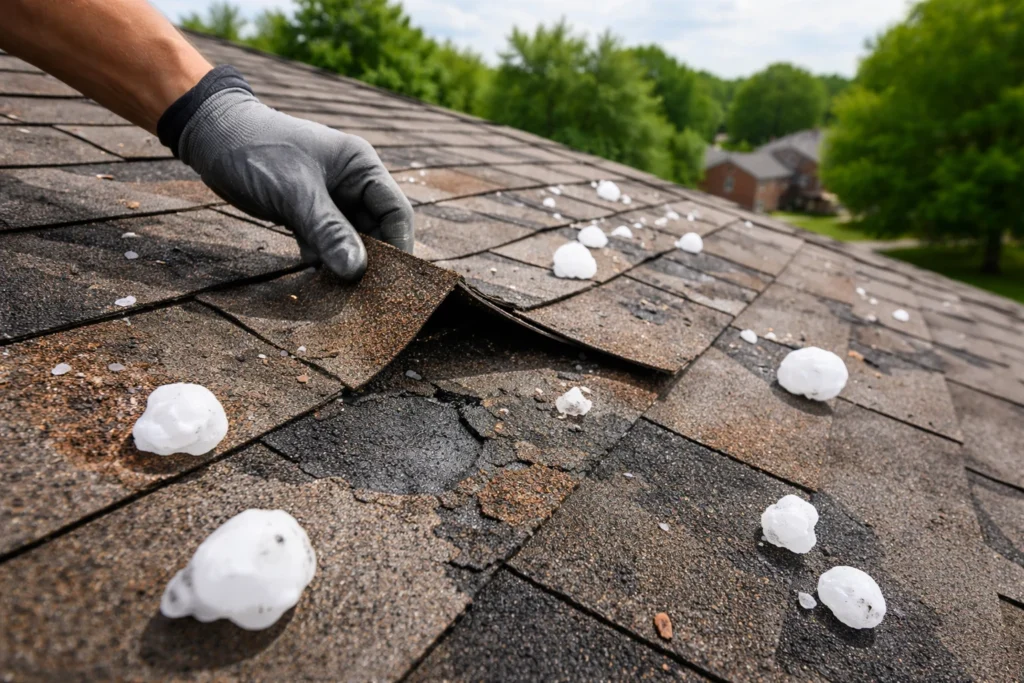
Hailstorms don’t give warnings that matter. They roll in fast, hit hard, and disappear just as quickly. But what they leave behind? That’s where the real problem begins. I’ve seen it too many times homeowners walk outside after a storm, glance at their roof, and assume everything looks fine. No missing shingles. No obvious holes. So they move on.
Weeks later, a small water stain appears. Then another. Before long, that “minor” storm turns into a full-blown repair situation costing thousands. If you own a home in San Antonio, understanding the hail damage roof insurance claim process isn’t optional it’s essential. Your roof isn’t just another part of your house. It’s the barrier between your home and everything outside. When it fails, everything inside becomes vulnerable.
This guide is built to give you real control. You’ll learn how hail actually damages your roof, how to spot problems early, how to document your claim properly, and how to make sure you’re not leaving money on the table when dealing with insurance. Let’s break it down.
Understanding Hail Damage to Roofs
What Really Happens During a Hailstorm
Hail isn’t just frozen rain. It’s dense, fast-moving ice that strikes your roof with force. The size matters, yes but so does velocity, wind direction, and storm duration. Each impact creates stress. Sometimes visible. Often not. What many homeowners don’t realize is that hail damage is cumulative. Repeated impacts weaken roofing materials over time, similar to what happens in Fatigue (material), where repeated stress eventually leads to failure even if no single hit looks catastrophic. That’s why your roof can look okay today but start failing months later.
How Different Roof Types Handle Hail
Every roofing material reacts differently. Some absorb impact. Others crack immediately.
Here’s a deeper look:
| Roof Type | Immediate Damage | Long-Term Impact |
| Asphalt Shingles | Granule loss, bruising | Rapid aging |
| Metal Roofing | Dents, coating wear | Cosmetic to moderate |
| Tile Roofing | Cracks, shattered tiles | Severe |
| Flat Roofing | Membrane punctures | Leak risk |
Asphalt shingles, the most common in San Antonio homes, are especially vulnerable. Once those protective granules are gone, UV rays start breaking down the material much faster.
Signs of Hail Damage You Should Never Ignore
Obvious Exterior Damage
Start simple. Walk around your home.
Look for:
- Dented gutters and downspouts
- Cracked or missing shingles
- Damaged vents or flashing
- Granules collecting near downspouts
These are strong indicators that your roof took a hit.
Subtle Damage That Most People Miss
This is where things get expensive.
- Soft or spongy areas on shingles
- Circular bruising patterns
- Slight cracking that spreads over time
These issues don’t look urgent but they are. They weaken your roof’s ability to protect your home.
Interior Warning Signs
If damage progresses, you’ll see it inside:
- Ceiling stains
- Peeling paint
- Damp attic insulation
- Mold growth
At this stage, your hail damage roof insurance claim becomes more complex and more urgent.
Why Hail Damage Gets Missed in Insurance Claims

Here’s something most homeowners don’t realize. Insurance inspections aren’t always as detailed as you think.
Adjusters often work under tight schedules. That means:
- Quick inspections
- Limited time per property
- Focus on visible damage only
What gets missed?
- Underlayment damage
- Flashing issues
- Ventilation system impact
And when those things are missed, your hail damage roof insurance claim ends up underpaid.
Immediate Steps After a Hailstorm
Step 1: Safety First
Don’t rush onto your roof. Wet shingles and debris create serious hazards.
Step 2: Inspect from the Ground
Look for:
- Dents on metal surfaces
- Broken window screens
- Debris accumulation
These are indirect signs of roof damage.
Step 3: Document Everything
This step is critical.
Take:
- Wide-angle photos
- Close-ups of damage
- Shots of surrounding areas
Your hail damage roof insurance claim depends heavily on your documentation.
Step 4: Prevent Further Damage
If you notice leaks:
- Use tarps
- Move valuables
- Keep receipts
Temporary repairs can often be reimbursed.
How to Properly Document Hail Damage
Documentation is your leverage.
What You Should Capture
- All sides of the roof
- Gutters and drainage systems
- HVAC units
- Windows and siding
Best Practices for Strong Evidence
- Use timestamps
- Take photos from multiple angles
- Capture before-and-after images
Build a Claim File
Organize everything:
- Photos
- Notes
- Receipts
- Emails
A well-documented claim is much harder to dispute.
Filing a Hail Damage Roof Insurance Claim
Step-by-Step Process
- Contact your insurer
- Schedule inspection
- Meet the adjuster
- Review the estimate
Understanding Key Insurance Terms
- Deductible – What you pay first
- RCV – Full replacement cost
- ACV – Depreciated value
- Depreciation – Value loss over time
Knowing these terms protects you financially.
What Insurance Companies Commonly Miss
Incomplete Damage Scope
Missed items often include:
- Underlayment
- Flashing
- Structural components
Low Estimates
Insurance estimates may not reflect real-world costs. Always review carefully.
Code Upgrade Costs
Local codes may require upgrades. These aren’t always included automatically. You have to push for them.
The Supplement Process Explained
What Is a Supplement?
A supplement adds missed damage to your claim.
When You Need One
- Hidden damage appears
- Repair costs increase
- Additional work is required
How to File a Strong Supplement
- Provide contractor documentation
- Include detailed photos
- Reference building codes
This is where many homeowners recover lost value in their hail damage roof insurance claim.
Real-World Example: How a Claim Changes With Proper Documentation
Let’s make this real. A homeowner files a claim after a hailstorm. The insurance estimate comes back at $6,500. It covers basic shingle replacement.
But here’s what was missed:
- Underlayment damage
- Vent flashing issues
- Code-required upgrades
After a contractor submits a supplement with proper documentation, the claim increases to $14,800. Same roof. Same damage. Better documentation. That’s the difference.
How to Protect Your Roof Before the Next Storm
Routine Maintenance
- Annual inspections
- Clean gutters
- Replace damaged shingles early
- Check flashing and seals
Upgrade to Impact-Resistant Materials
Benefits include:
- Stronger hail resistance
- Longer lifespan
- Potential insurance discounts
Choose the Right Contractor
Look for:
- Licensing
- Proven experience
- Transparent pricing
Why Hiring a Public Adjuster Can Change Everything
What They Do
Public adjusters work for you not the insurance company.
They:
- Inspect damage thoroughly
- Handle negotiations
- Maximize payouts
When You Should Hire One
- Large claims
- Denials
- Underpayments
How to Choose the Right Public Adjuster
If you’re wondering How to Find a Public Adjuster, follow these steps:
- Verify licensing
- Check reviews
- Ask about fees
- Request references
- Confirm hail claim experience
The right adjuster can significantly improve your outcome.
Common Mistakes Homeowners Make
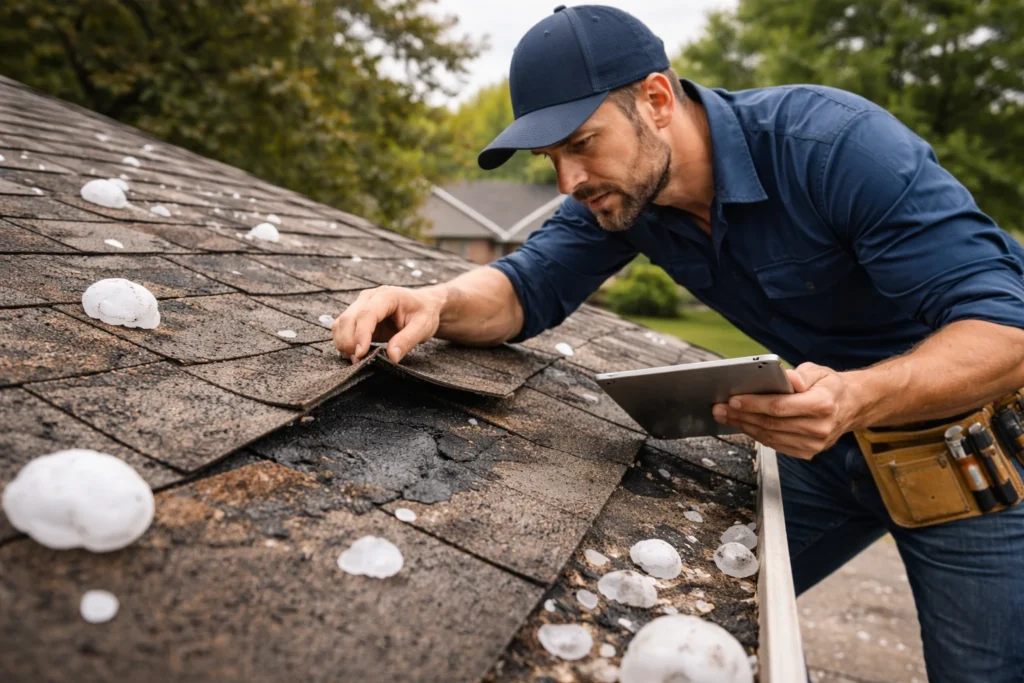
- Waiting too long
- Accepting first estimates
- Poor documentation
- Hiring inexperienced contractors
Avoid these and you stay in control.
How Long Do You Have to File a Claim in Texas
Timing matters. Most policies allow several months, sometimes up to a year but waiting weakens your claim. Act fast.
Cost Breakdown
| Project Type | Cost Range |
| Minor Repairs | $300 – $1,500 |
| Partial Repairs | $2,000 – $8,000 |
| Full Replacement | $8,000 – $25,000+ |
Pro Tips to Maximize Your Claim
- Get a second inspection
- Keep detailed records
- Communicate in writing
- Don’t rush settlements
Conclusion
Hailstorms are brief. The damage they leave behind is not. Your roof protects everything inside your home. When it’s compromised, the risk spreads quickly. That’s why understanding the hail damage roof insurance claim process is critical.
Act early. Document everything. Push for accuracy. Because protecting your roof isn’t just about repairs it’s about protecting your investment, your home, and your peace of mind.
FAQs
Most homeowners insurance policies cover hail damage, but coverage depends on your policy terms, deductible, and the extent of damage.
Look for signs like dented gutters, missing granules, cracked shingles, or interior leaks—these are common indicators of hail impact.
It’s often best to have a professional inspection first so you can provide accurate documentation when filing your claim.
Most policies allow several months up to a year, but you should file as soon as possible to avoid complications or denial.
Hail claims are usually considered weather-related, so they may not directly raise your premium, but rates can still increase regionally.
You can request a reinspection, provide additional documentation, or hire a public adjuster to dispute the decision.
ACV pays for the depreciated value of your roof, while RCV covers the full cost to replace it, minus your deductible.
It’s not always required, but getting a second estimate can help you identify underpaid or overlooked damage.
Yes, but you’ll typically need to pay the difference if you choose higher-quality materials beyond what insurance covers.
For large, denied, or underpaid claims, a public adjuster can help maximize your payout and handle negotiations with your insurer.