
Key takeaways
- Every public adjuster working in Texas must hold a license from the Texas Department of Insurance (TDI). Verify it before you sign anything.
- Texas caps public adjuster fees at 10% of the insurance settlement, requires TDI-approved contract terms, and gives you 72 hours to cancel after signing.
- A public adjuster cannot be your contractor on the same claim, cannot give legal advice, and cannot solicit door to door during a natural disaster or after 9 p.m.
- Interview more than one adjuster. Ask about similar claims, communication, who will actually work your file, and how the fee is calculated.
- Walk away from anyone who guarantees a settlement amount or pressures you to sign on the spot.
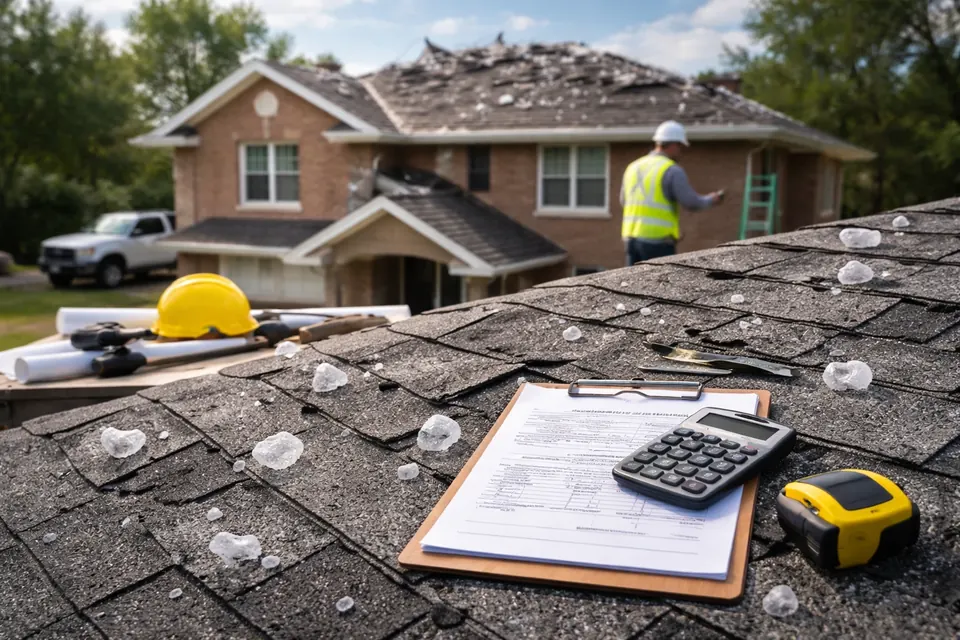
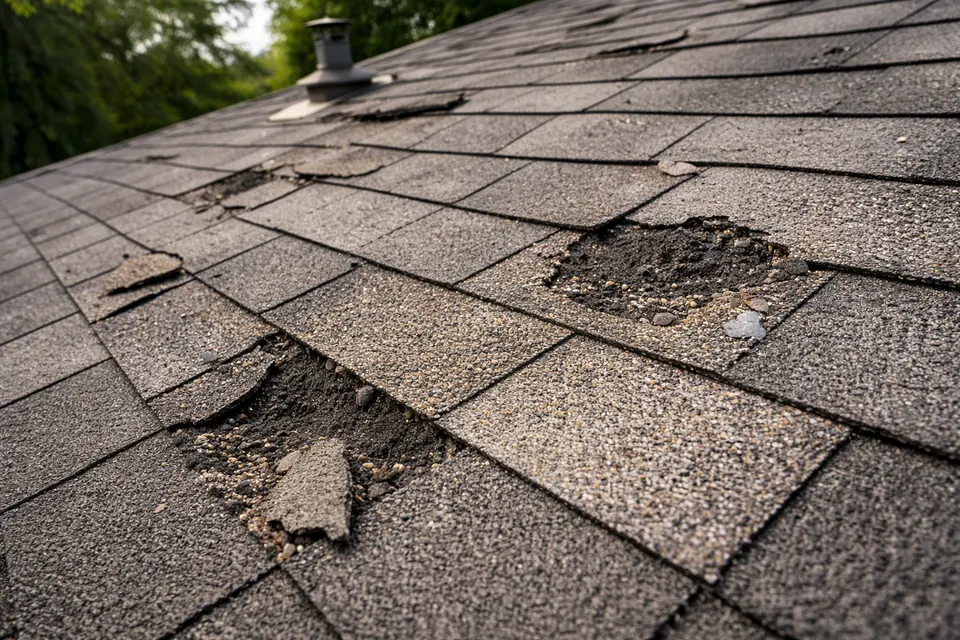
After a hailstorm, a burst pipe, or a fire, the insurance company assigns its own adjuster to your claim. If you want someone working for you instead, you need to know how to find a public adjuster who is licensed, experienced with your type of loss, and clear about fees. A quick search for “public adjuster near me” will return plenty of names. Picking the right one takes a little more work.
This guide walks San Antonio homeowners and business owners through the process: where to look, how to verify a license, what the contract must say under Texas law, what to ask in an interview, and which red flags should end the conversation.

First, know what you are hiring
A public adjuster represents the policyholder in a property insurance claim. They review the policy, inspect and document the damage, prepare an estimate, and negotiate with the insurer. In Texas they are licensed and regulated by TDI under Insurance Code Chapter 4102.
They are different from the adjuster your insurer sends, who evaluates the claim on behalf of the company. They are also different from a lawyer. Public adjusters cannot practice law or give legal advice. If you are unsure whether you need help at all, start with do I need a public adjuster?
Where to look for a public adjuster in San Antonio
Search locally, then read carefully
Searches like “San Antonio public adjuster” or “Bexar County public adjuster” are a reasonable start. On each website, look for:
- A Texas public adjuster license number you can verify
- The name of the licensed person who will handle your claim
- The types of claims they handle (hail, wind, water, fire, commercial)
- Plain, accurate language about fees and the process, with no guaranteed results
Local familiarity is useful. San Antonio claims often involve hail on composition shingle roofs, wind and downburst damage, flash flooding along the Balcones Escarpment, and freeze damage like the burst pipes many homes saw during Winter Storm Uri in February 2021. Someone who regularly works Bexar County losses will recognize those patterns and the local repair and permitting process.
Ask people you trust
TDI suggests asking friends and family whether they have used a public adjuster and which one. Neighbors who went through the same storm can be a good source. Referrals still need to be verified; a recommendation is not a license.
Be careful with referrals from people paid on your claim
Texas law prohibits public adjusters from getting referral fees from attorneys, contractors, or anyone else involved in your claim. A referral is fine. A referral that comes with money changing hands behind the scenes is not.
How to verify a license
This is the single most important step, and it takes a few minutes.
- Use the TDI license lookup, or call the TDI Help Line at 800-252-3439.
- Confirm the license type is a public adjuster license and that it is active.
- Ask TDI whether complaints have been filed or disciplinary action has been taken.
- Make sure the name on the license matches the person or company on the contract.
For reference, San Antonio Public Adjuster is a public adjusting service of Rise Public Adjusting LLC, TDI license #3356839.
Vetting checklist
Use this table when you compare candidates.
| What to check | What a good answer looks like | Red flag |
|---|---|---|
| Texas license | Active public adjuster license you can look up with TDI | No license number, or reluctance to share it |
| Fee | Clear percentage or dollar amount in writing, at or below the 10% legal cap | Vague fee, or fee “to be discussed later” |
| Contract | TDI-compliant form, states “WE REPRESENT THE INSURED ONLY,” explains the 72-hour cancellation right | Blank spaces, missing cancellation language |
| Experience | Specific examples of the claim type you have (without promised results) | “We get every claim paid” |
| Who does the work | A named, licensed adjuster handles your file | Unclear who inspects or negotiates |
| Repairs | Keeps adjusting separate from your contractor | Offers to do the repairs too |
| Communication | Explains how and how often you will get updates | Discourages you from talking to your insurer |
Questions to ask before you hire
- Have you handled claims like mine, for example a hail roof claim, a slab leak, or a fire with smoke damage?
- Will you personally inspect the property? Who else will be involved?
- How do you document damage? (Answers might include photos, measurements, Xactimate estimates, or Matterport 3D scans.)
- How is your fee calculated, and is it based on the total settlement or only on any increase?
- What happens if the insurer does not change its offer?
- How long do claims like mine usually take, and what slows them down?
- How will you keep me updated?
Good adjusters answer these directly. They will also tell you when they think you do not need them.
Understanding the fee and the contract
Fees are disclosed in a written contract before any work begins; Texas law caps public adjuster compensation at 10% of the insurance settlement. A few details from TDI’s consumer guidance are easy to miss:
- The fee can apply to the whole settlement. TDI’s example: if the insurer wants to pay $100,000 and you are disputing $20,000, a 10% fee could be $10,000.
- You may still owe a fee if the insurer does not increase its offer after you hire the adjuster. You also still owe your deductible.
- You can ask for a dollar amount instead of a percentage, and you can try to negotiate.
- Policy-limits exception. If the insurer pays or commits in writing to pay policy limits within 72 hours after the loss is reported, the adjuster cannot take a percentage fee.
- 72-hour cancellation. You can cancel within 72 hours of signing. After that, you generally cannot.
Before signing, make sure the contract tells you whether the adjuster will inspect the property, whether they will communicate with the insurer for you, and roughly how long they expect the claim to take. Never sign a contract with blank spaces.
Red flags to watch for
Storms bring out good professionals and opportunists alike. Slow down if you see any of these:
- Door-to-door solicitation during a disaster or late at night. TDI says public adjusters cannot knock on your door asking for business during a natural disaster or after 9 p.m.
- Guaranteed results. No one can promise a settlement amount or that a claim will be approved.
- Pressure to sign today. A legitimate adjuster will give you time to read the contract.
- Offers to waive your deductible or bundle repairs. A public adjuster cannot be your contractor on the claim, and TDI warns that waiving a homeowner’s deductible is illegal in Texas.
- Badges or official-looking IDs. TDI notes public adjusters cannot wear a badge while working as a public adjuster.
- Telling you not to talk to your insurer. They cannot keep you from talking with your insurance company.
If you have a problem with a public adjuster, you can call TDI at 800-252-3439 or file a complaint.
When to start looking
You do not need to wait for a problem to start your search, but you also should not hire the first person who shows up after a storm. A sensible sequence for most San Antonio property owners looks like this:
- Protect the property first. Tarp roof openings, stop active leaks, shut off water at the meter if a pipe burst, and keep receipts. Your policy may pay reasonable temporary repair costs.
- Report the claim promptly. Texas policies require timely notice, and the insurer’s Chapter 542 deadlines generally start when it receives notice of the claim.
- Document before cleanup. Photos and video of every affected area are hard to recreate later.
- Research while you wait. The days between filing and the insurer’s inspection are a good time to look up licenses and schedule a call or two.
- Decide after you see the scope. Many people make the decision once the insurer’s estimate arrives and they can compare it with a contractor’s bid.
After a large hail event, such as the April 12, 2016 storm across northwest San Antonio, large numbers of claims come in at the same time. Adjusters, roofers, and public adjusters all get busy. Starting your research early keeps you from making a rushed choice when everyone is calling.
How the first meeting should go
Bring your policy (especially the declarations page), your claim number, any letters or estimates from the insurer, and your photos. Our claim documentation checklist lists the rest. A useful first meeting usually covers:
- What happened, when, and what the insurer has done so far
- What your policy covers, including deductibles (many Texas policies have a separate wind/hail deductible) and whether you have replacement cost or actual cash value coverage
- Where the insurer’s estimate appears incomplete, if you have one
- Whether outside help is likely to be worth the fee in your situation
For storm claims, it helps to know which events hit your area. Our storm lookup pulls NOAA storm reports by location. For instance, NOAA recorded 3.5-inch hail in Leon Valley on April 12, 2016, and 3-inch hail in Helotes on May 26, 2025.
Matching the adjuster to your claim
Experience with your type of loss matters. Ask specifically about:
- Hail damage claims and roof replacements
- Water damage claims, including slab leaks and burst pipes
- Fire and smoke claims, where contents inventories are long
- Commercial claims, where business income coverage may apply
- Denied or underpaid claims that need a line-by-line review
If your dispute is about the dollar amount of a covered loss, ask whether the adjuster is familiar with the appraisal clause in your policy. If it is about coverage, a lawsuit, or a deadline to sue, talk to a Texas attorney.
Final thoughts
Finding the right public adjuster comes down to three things: a verified Texas license, a clear written contract, and someone who explains your claim honestly, including when you may not need them. Take your time, compare more than one option, and keep copies of everything. If you would like a second opinion on a claim in San Antonio, Bexar County, or a nearby community, you can request a free claim review with no obligation.
Frequently Asked Questions
How do I check if a public adjuster is licensed in Texas?
Use the Texas Department of Insurance license lookup on tdi.texas.gov or call the TDI Help Line at 800-252-3439. TDI can confirm the license and tell you whether complaints or disciplinary actions are on file. Make sure the license is a public adjuster license and that the name matches the person or company on your contract.
How much do public adjusters charge in Texas?
Fees are disclosed in a written contract before any work begins; Texas law caps public adjuster compensation at 10% of the insurance settlement. TDI notes the fee can apply to the total settlement, you can ask for the fee in a dollar amount, and you can try to negotiate it.
Can a public adjuster knock on my door after a storm?
TDI says public adjusters cannot knock on your door asking for business during a natural disaster or after 9 p.m. Unsolicited visits right after a storm are a reason to slow down and verify the person’s license before signing anything.
Can my roofer also be my public adjuster?
No. Under Texas law, a public adjuster working on your claim cannot act as your contractor, and contractors cannot advertise that they will handle your insurance claim. Keep the two roles separate.
What if I change my mind after signing?
You can cancel a Texas public adjuster contract within 72 hours of signing. After that window, the contract terms apply, so read it carefully first.
Do I have to hire a public adjuster to file a claim?
No. You can file and manage a claim yourself. Many people only consider a public adjuster when the claim is large, complex, delayed, underpaid, or denied.
Sources and further reading
This article is general information about property insurance claims in Texas, not legal advice, and not a promise of any coverage or outcome. Your policy language and the facts of your loss control your claim.